Showing posts with label travel tip. Show all posts

Wednesday, June 3, 2020

Travel Tips: Wheelchair Accessibility in Ensenada, Mexico


(Please read our Covid 19 Statement first - Ed)  Mexico is not the most wheelchair-friendly place on earth. It can be daunting and I have to say that my trepidation over what kind of wheelchair access we'd find far outpaced any concerns we’d have over Baja’s violent reputation in our recent visit.

Ensenada has made strides and still needs a long way to go before we can call it a truly accessible destination. However, if you’d like to visit this fun destination and use a wheelchair, here’s what we found when we recently went, power chair and all…


GETTING THERE

A wheelchair user has three viable options for getting to Ensenada.

a.       Driving your personal vehicle. This was what we did. Since we live within a 4-hour drive, it was the easiest and most practical option. There is a modern, four-lane, high-speed highway from the border between San Ysidro/Tijuana and Ensenada. There are three toll stations and the toll, as of December, 2014, was $2.25 US at each toll station. You can pay with either US or Mexican currency but you cannot mix the two to pay your toll.

There are occasional rest areas with very clean and free accessible bathrooms along the road. Make use of the last one on your way back before crossing the border. Crossings can take hours.

b.      Cruise ship – most tourists these days come to Ensenada on cruise ships where the city is a port stop on many west coast and Hawaiian cruises. The two most popular departure ports are Los Angeles and San Diego. 3 or 4 day cruises start at under $300.  

It’s about a ½ mile, accessible walk from the ship dock to downtown Ensenada where 90% of the tourists head to.

c.       Van rental – Wheelchair Getaways of San Diego rents wheelchair accessible vans starting at $100 per day, plus gas and mileage, that you can drive down to Ensenada

Note that at this time, there are no wheelchair accessible buses or commercial flights to the city from the U.S., though you may be able to arrange an (expensive) option with Baja Tours (see below).


GETTING AROUND

Most of the places in town that tourists want to see are in a half-mile stretch along the waterfront and a couple of blocks in from there. It is very easy to navigate on foot and just about every corner has a curb cut.

You’ll want to access the fish market from the waterfront (the malecon) if you’re a chair user because you’d have stretches where you’d have to go in the busy, narrow street with your chair if you come in from the town side. The malecon can be accessed easily via wheelchair at either end and in the middle through Plaza Marina Mall and the park where the giant Mexican flag is.


About half the shops downtown have steps that block access for chairs but most vendors are also happy to do business on the sidewalk in front of their store.  A few corners have steep curb cuts that can be tricky if wet.  You will find some utility hatch covers on the sidewalk missing, leaving gaping holes that can swallow a wheelchair tire. Be on high awareness for those.

Some buses in the local transit system have wheelchair lifts but we could not find any reliable route or access information on them. We could find no taxis equipped with lifts…better to have your own accessible vehicle.


HOTELS

We stayed at the Estero Beach Resort, six miles south of town, which has large rooms with step-free access but little else as far as accessible features in the room (i.e., grab bars, roll-in shower). Most places here don’t even have that much. Estero also has ramped access into the pool and step free access to all of the resort, except for their museum. Note that the ramp to the bar is steep.

Casa Del Sol, in the heart of downtown, also has step-free access to rooms.

RESTROOMS

Most public restrooms here can be described as serviceable at best and most charge a small fee to use them. The rest area bathrooms on the toll road are top-notch, accessible, and free. In town, we found the restrooms at the bar of the San Nicolas Hotel (two blocks south of the river that marks the end of the tourist zone) to be very nice, accessible, clean, and free.

WINERY TOUR


Five Star Tours offers wheelchair accessible van tours to Ensenada’s up-and-coming wine country from San Diego (http://sdsuntours.com/home) and shuttles between San Diege and Ensenada. You can also arrange a custom tour with them of the area.

Darryl
Copyright 2013 - Darryl Musick
All Rights Reserved

Wednesday, November 6, 2019

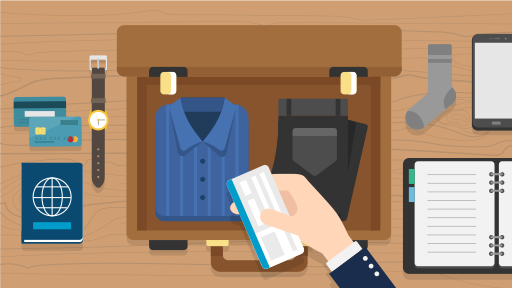
TRAVEL TIPS: Packing for Travel


Rick Steves likes to say pack as little as you think you’ll need, then take less than that.
Packing for a trip is always a challenge, you don’t want to forget that one item that you’ll end up needing but you also are trying to limit how much you’ll have to carry, especially if you’re flying.
Many people try for that elusive “one carry on bag” so they can just hop off the plane and be on their way but for most wheelchair users, we need to carry too much and always end up checking something.
Still, we strive for that magic amount of clothes and accessories that leaves us with as little as possible to carry along with everything we’re going to need.  Here’s how we do it…
CLOTHES
Pack with the idea that you’ll wear some of your clothes more than one day. For pants, I take two pairs for a week…the one I wear on the plane and another pair in my luggage. Dark colors can help hide an accidental stain and if it gets too bad, you can always find a laundry or washing machine nearby if an emergency makes you wash your clothes.
We also try to take clothes that are easy to clean in our bathroom sink or tub. For instance, these cargo pants from Campmor wash very easily and air-dry within 30 minutes. They also feature zip-off legs to convert them into shorts. Very handy for traveling.
One pair of shorts will do, none if you’re going to somewhere cold, swap another pair of shorts for one pair of pants if you’re going somewhere hot.
One pair of what I call “house shorts,” a comfy pair of gym shorts that I can lounge around the hotel in that also doubles as swim trunks if I need them to.
Two nicer shirts, like a polo shirt, and 6 T-shirts. I’ll wear a different shirt every day, t-shirt if I can get away with it, and save the nicer shirts for going out.
Underwear for a week...a pair a day. Same for socks. They don’t take a lot of room.
One jacket that will be appropriate for the climate I’m visiting (this can range from a hoodie to a down jacket…depends. Check the weather before you pack) and a hat. Also, if the weather looks like it will be cold on arrival at your destination, take the jacket onboard so you can wear it when you get off…no need to freeze.
If I’m going to be gone for more than a week, I’ll plan on doing laundry at some point but will not take more that what I have above.
For shoes, I take one pair of “coaches” shoes…nicer looking athletic shoes that can be worn casually with shorts and white socks, or going out to dinner with pants and a polo shirt. I also take a pair of flip-flops that I can use for lounging around the hotel, going to the pool or the beach.

Since we have to check our bags when we travel anyway, we'll put the clothes for all three of us in one suitcase. If it's over the airline's weight limit, we'll split it into a smaller bag as well.


TOILETRIES
I don’t bother with shampoo or soap…the hotel will have that. I take my toothbrush, a disposable razor, shaving cream, deodorant, and toothpaste.  I’ll also take along some Rolaids, Ibuprofen, and Imodium for any maladies that may pop up, along with any prescription medication I need.  Anything else that I find I need, I’ll pick up at a local store at my destination.
OTHER ITEMS
Due to my being a travel writer, blogger, and video producer, I tend to take more camera equipment that most people. Still, when buying equipment, I try to get the smallest possible components that will still allow me to get quality shots.
Technology has come a long way, it is very possible to buy high definition video cameras that will fit in your pocket and do not use tape or discs to record. Many high quality cameras also come in little packages. Fuji, Canon, and Nikon all have great pocket size cameras with high resolution and powerful zooms. 
One still camera can fill the need for most people. If you want a dedicated video camera, you can get one of each and put them in your pocket.

For most people, however, many mobile phones also have pretty good video and photo capabilities now and will do nicely.
That’s it for me…although my wife will also want to pack her cosmetics and supplements though what she packs all fits in with my stuff in our overnight toiletries bag.


SPECIAL NEEDS ITEMS
With the wheelchair, we’ll first determine if we’ll take a power chair or a manual chair. Power chair is very nice at your destination, provided it is accessible enough for a power chair, since you have more independence. We make an effort to take it but leave it at home if we have any doubts and take the manual instead. Recently, we also bought a 60 pound (including batteries), folding power chair for traveling. We take that now instead of the manual. 
If you do take a power chair, the biggest hassle is getting it on the plane and off the plane at your destination but that’s another story…what we’re concerned with today is that you’ll also need to take a charger for the batteries.
Realize that medical equipment doesn’t count against your weight limit for luggage and doesn’t get charged a fee in the United States and EU countries.
Before you go, check to make sure your charger will work with the electric outlets at your destination. Voltages and outlet designs vary greatly across the globe…don’t assume that you can use a cheap voltage converter either. Call the manufacturer…I did and found out our charger wouldn’t work in Europe and  the cheap outlet/voltage converter we had might actually kill the charger.
Think of any bathrooming equipment you’ll need to take along. Are the smaller versions available…more portable versions? Are there other ways you can take care of those needs without bringing the equipment? Can the hotel provide some of this equipment (like a bath chair) or can you rent or buy cheaply when you get there?
FORGOTTEN ITEMS
Don’t worry too much that you’ll forget something. You’ll find stores at your destination to fill those needs. Pharmacies for any medicines or sunscreen that you need; thrift stores or discount stores if you need a particular piece of clothing; electronics stores for batteries or converters…there’s not too much that you can’t find while on travel.

Finally, souvenirs...if we can't fit them in luggage we'll do one of two things. Rethink the purchase...do we really need it? Where will we put it? Is it worth the hassle? The other option is to ship it back home. Most places have businesses such as Kinko's or the UPS Store that will do this for you at a nominal fee.
So, as Mr. Steves would say…go over these items. Pack as little as possible…then go back and take out what you really don’t need.  No one ever says “gee, I wish I’d packed more.”
-Darryl
Copyright 2012 – Darryl Musick
All Rights Reserved

Pin It

Wednesday, November 14, 2018

TRAVEL TIPS: Paying for Your Trip


While there are a select few people who get their travel paid for them, I'm not one of them (but I'm willing to change that - Ed) and chances are neither are you. So where do we come up with the money to travel with?

First, you need to know how much your trip will cost. There are two approaches you can take with this. We use both, depending on how much we want to go to a particular location or how much we want to spend on a trip.

If you know where you want to go, you need to know how much it will cost to go there. You can research how much your destination will cost using travel sites like Hotels.com, Kayak, and Expedia where you can get a pretty good ballpark estimation of how much it will cost for your airfare and lodging. You can also look up rental car rates there too, if needed.

Be sure to include an estimate of how much food will cost and how much your hotel will feed you, if at all. If you're driving, figure out your gas mileage and calculate that too.


Once you have that amount, add at least 10% to that to cover any incidentals along the way, total it all up and that's how much you'll need to save.

Figure out when you want to go, how many weeks away from now it is, and divide that number by the cost of the trip. That's how much you'll need to sock away each week. Do that, and you'll have enough to go when the time comes.

The other way to figure out how much it will cost is to set aside a certain amount each week, say $50 and then decide when you want to go, let's say 6 months from now. 26 weeks of $50 will get you $1,300. 


When the time gets near, find out where you can go for that amount and plan your trip to somewhere you can afford (don't think that amount is too little either...we did a week in the Dominican, all-inclusive including air, for less than $1,200 per person).

Some people will say they don't have the discipline to put aside that set amount of money each week. That's sad...you need some discipline to travel successfully anyway so why not start with the money? If you don't think there's any money to save, try skipping one Starbucks latte and an extra value meal each week...there's $10 right there and it's going to be healthier too.

OK, let's think of some other strategies...

Does your employer use Direct Deposit? Many employers that use Direct Deposit allow you to not only automatically deposit the money to your bank account, but also a few other accounts as well. For example, if you work for the U.S. Government, you can set up your deposit to be split up to as many as three accounts so let's say 80% can go into your main checking account, 10% into a household expense account, and another 10% into a vacation account.

Now you're saving up your vacation money without even thinking about it.

If you can't take advantage of this, talk to your bank or credit union. Many will allow automatic transfers into separate savings accounts that can be used the same way.

However you pay for your vacation, I strongly urge you not to charge it.  Save up for it, don't end up paying for it long after it's over.

Other ways to help pay for travel, or at least soak up some of the costs is to use reward credit/debit cards and to join loyalty programs. 

Travel rewards cards earn points for each dollar spent that can be cashed in for things like airfare and hotels. Be sure to read the fine print, however, because many of these cards charge a lot of fees for it. Here are some recommended cards:  http://www.consumerismcommentary.com/the-best-travel-rewards-credit-cards/

We don't travel by air a whole lot, so we prefer a cash back card that pays you a certain percentage rebate for each use. Our favorite is the Costco Citi Visa card that racks up several hundred dollars a year for use in everyday use including 4% for gas, 3% for travel and restaurants, 2% for purchases at Costco, and 1% for everything else (our cash back paid for our Bahamas cruise this year).  Some other recommended rewards cards are listed here: http://www.businessinsider.com/the-5-best-rewards-credit-cards-2011-2


Hotel loyalty programs are also good to earn free room stays. Find a chain you like, join the club, and start racking up the points. We use Hyatt, Marriott, Hilton, and...to a lesser extent...Choice Hotels.  By joining the loyalty program, which is completely free, we not only get points for free stays (and get at least a free night in a hotel each year), we also get some added perks at the hotel just by being a member such as upgraded rooms or late check-outs.

These are all tips to help you accumulate the money you need to afford a vacation.  It's actually not too hard to do. Figure a price, save an amount each week till you reach it, use rewards and loyalty programs to help you accumulate free travel and lodging, and off you go.

-Darryl
Copyright 2012 - Darryl Musick (updated 2017)
All Rights Reserved
Disclaimer

Wednesday, September 20, 2017

TRAVEL TIP: Making Sure You Get Your Money's Worth Out of Your "Budget" Hotel


A few years ago, my mom asked me to arrange a trip to New York for her (note: I am not a travel agent, I was just doing a favor for my mom...please don't ask me to book a trip for you).

"I want a cheap hotel," was the request she gave me.

I told her that "cheap" in New York...especially Manhattan...would be well north of $100 per night if she wanted her own bathroom.  She let me know that would be too much and to find something cheaper.

*sigh...*

An extensive search throughout the island of Manhattan revealed little. The best I could find was the Hotel Penn on sale at $109 per night.  Too much, find something cheaper came the command.

After much bickering and back-and-forth, I found a Howard Johnson's in East Orange, New Jersey for $49 per night (after a senior discount because $52 was too much).

The first night there, "How could you put me in this neighborhood? This is awful!"

She checked out and found better, more expensive, hotel that was more to her liking.

The problem here is that my mom was concerned about one thing, and one thing only - the price.  The money you spend on a hotel is one thing but you need to take in the whole picture to make sure you're getting the best value for your lodging.

What was wrong for my mom? The hotel was in a bad neighborhood and she didn't feel safe. It was cheap, but not a bargain by any stretch of the imagination.

So don't go on price alone to see if your hotel is a bargain.  Here are some things to consider...

As in my mom's case, check to see if the hotel you're interested in is in a good area. If you don't know what the good and bad areas are ahead of time, check review sites such as Tripadvisor.com and Yelp.com to help you out.


Are the rooms nice and big enough for you? The hotel website or travel sites like Expedia.com and Hotels.com can help you here. Pay attention to the description. Do you sleep on a king size bed at home? My wife and I do and a full size or double bed is just not going to cut it for us, we need at least a queen size to feel comfortable on.  Are you traveling with kids? Check to make sure there will be enough bedding for them too.  Many rooms now include sofabeds that can come in handy for kids to sleep on as well.


Will there be food included? A lot of hotels will throw a few snacks on the table in the lobby and call it breakfast...usually a "continental" breakfast. Some will include a full breakfast with cooked eggs, meat, fruit, breads, and more. In Bakersfield, I can pay $60 a night for a small room with little to no amenities at the Motel 6 or I can pay $80 a night for a suite at Springhill Suites that includes a full breakfast, among other goodies...which one is the better bargain?

Are there affordable restaurants in the area? Within walking distance? A check on Yelp.com will show you a map of the area, the restaurants nearby (with price points), and reviews.


Do you want to swim? It's pretty easy to find a pool in the United States, other countries might be a bit more of a challenge but think twice...is the weather going to be nice enough to pay a premium for it? Is it an indoor pool that might be filled with noisy kids, echoing off of the walls? Can you get a nice hotel without a pool for less? (Also note that in the U.S., at least, it is mandatory now for hotels and motels to have pool lifts for those with mobility issues)

Another consideration is how noisy a hotel is. This may be hard to ascertain before you get there but review sites can help out here. Also, pay attention to the description...exterior hallways are usually noisier than interior halls. A hotel I stayed at recently boasted about its hardwood floors which, we found out, amplified and echoed noise...carpet eats a lot of sound.

Beware of hotels that also "boost" the room to more than it is. A junior suite is usually just a room. We stayed in one that the only thing that made it a suite was a small, 3 foot tall wall between the bed and couch.' We've even had rooms listed as suites where it is just a room. Maybe a bit larger than normal, but just a room. Look for 'two room suites' in the description.

Lastly, look for extras included in the room that will make it cheaper or easier to go on vacation. A kitchenette with a stove and refrigerator will allow you to cook some of your meals, saving money on restaurants. A hair dryer means you can leave yours home...ditto with an ironing board and iron. Is parking included? Is there a resort fee? If so, what does it cover? One of the Holy Grails of hotel amenities is a washer and dryer in your room.

Hotel loyalty programs can come in handy, too, if you find a chain that you tend to stay in more than others. Hilton, a chain we're currently accumulating with, throws in a ever-expanding list of perks as you accumulate points like free premium wifi, free room upgrades, late checkout, free bottled water and snacks, extra points and free nights with extended stays as you work your way up the latter. 

Check with the hotel you're staying at and see about getting a loyalty account. They're free and can add up over time.

These are just a few things to consider when deciding what a bargain is in a hotel. Would a $60 room at the local Super 8 or TraveLodge be as good as paying $80 - 90 for a room that has some or all of the amenities listed above?

Keep that in mind when booking your next room.

-Darryl
Copyright 2012 - Darryl Musick
All Rights Reserved

Wednesday, May 24, 2017

TRAVEL TIPS: What if there is no accessible transit available?

Though we fly to about half of our destinations, most of our trips turn out to be road trips once we get there.  We'll also end up in places that have no decent accessible public transportation, usually in rural areas.  Places like Montana, Kansas, Maine, etc. 


Watch the Video!

At that point, we recognize that we need to have a rental car.  Accessible vans are available from companies like Wheelchair Getaways and Wheelchair Van Rentals but the cost...with mileage, tax, gas added...can come up to around $200 a day.  That's a big budget buster.

In our case, we decide before we leave if the local transportation at our destination will be friendly for a power chair.  If it is not, or we have any doubt at all, we'll leave the power chair at home and take Tim's manual chair.  When we do that and we need a car, we'll rent a standard car, put the manual chair in the trunk, and Tim will ride in the front seat.

The major drawbacks to this are that a) Tim needs to be lifted in to and out of the car; b) we need to get a large enough car, meaning it costs more than a basic rental; and c) I need to push Tim everywhere...he loses his independence with the manual chair.  The tradeoff is that we are free to come and go as we please (not dependent on transit schedules) and the cost is less than half of the wheelchair van.

(Edited to add that Tim has since acquired a lightweight, folding power chair so he can now have some of that independence back - Ed)

The video above demonstrates how we do this on a trip.  I'm not saying it'll work for all disabled people, but this is how we solve the problem.


-Darryl
Copyright 2010 - Darryl Musick

Wednesday, May 17, 2017

TRAVEL TIPS: Safety and Security

Follow Me on Pinterest


Fear and insecurity keep many a would-be traveler firmly ensconced at home.
What if I’m mugged? What happens if I’m trapped in a disaster? …I get lost?...robbed? …or worse?
Yes, security is a concern and I’m not going to say bad things will not happen to you. I will say that even everyday life is a game of playing the odds. Can all these bad things happen to you on a trip? Yes. Can they happen to you at home too? Yes. Is there a great chance that they will happen? No.
It is rare that anything bad happens to you while traveling but it can crop up. Keep in mind that I travel a lot more than your average tourist, but all of the following have happened to me at one point or another in my 50 years of traveling…riot, terrorist attack, pickpocket attempt, lost in the wilderness, injured, taken to the emergency room for sickness, car accident, blizzard, tornado warning, and floods.
…but I still travel, still enjoy it, and still go with little to worry about. Why? Because these were very rare occurrences and by being prepared and level headed, I was able to emerge unscathed.
Here are some tips I’ve come across over the years to keep my family and me safe when traveling…
BEFORE YOU LEAVE HOME…
Secure your house when you leave. Don’t let the world know you’ll be gone.  If you have a trusted family member or friend, ask them if they can house sit for you.  If not, have a trusted neighbor keep an eye on your place. Ask them to check for any fliers or newspapers left on your doorstep. Have an order at Amazon on the way? Ask them to watch for that too.

Visit your local post office and have them suspend mail delivery while you're gone. You can also do this online at usps.com but that has never worked for me, an in-person visit is better.
Get some timers from the hardware store. They’re not expensive and you can program the lights to come on and off at various times while you’re away.
Leave a radio tuned to a talk radio station and turn it up loud enough so that someone outside might think someone is home.
If you have two cars, park one up against the garage door so that it would be impossible to open without moving the car.

AT THE HOTEL…
If the room assigned to you seems like it’s in a sketchy area…say way in the back, next to a stairwell…ask the hotel to move you to a room you are more comfortable with.  Unless the hotel is completely booked, management should accommodate you. I have yet to run across a hotel that wouldn’t work with you if there is some reason you don’t like your initial room.
While you’re in the room, always latch the dead bolt and hang up the “Do Not Disturb” placard.
When you’re out of the room, leave the “Do Not Disturb” placard on the door unless you’re expecting housekeeping to clean the room while you’re out. Leave some lights on. Leave the radio or TV on. Make it seem like someone is in the room.  Either lock your valuables in the safe (if there’s one in the room), have the front office lock them in their safe, or take them with you.
If you have a car, park it as close to the entrance as possible unless you really need it by your room. A car in a populated area is less likely to be broken into.

WHILE OUT AT YOUR DESTINATION…
Travel in numbers. Families traveling together are great because they’re a ready-made group. If you’re going solo, try to be where there are a lot of people...think Times Square, not some quiet street in the Lower East Side. I’m amazed when traveling to see young, attractive women walking alone along quiet streets or through parks after dark. That is the one thing you don’t want to do…always have someone else nearby.
Avoid dark, lonely places. Seems like a no brainer but sometimes when you’re out and about you might be confronted with the choice of dark and lonely or darker and lonelier. Again, try to at least be with a group if you can or go back the way you came to find a better route. We had this happen to us in France where we ended up walking by a small park after dark where a man was shooting up heroin with his big dog by his side. Fortunately, we were a group of five and felt a bit more secure in our numbers.


Keep your valuables out of sight and out of the “usual” places. Men seem to keep their wallets in their back pockets 99% of the time. Put it in your front pocket to keep it away from pickpocket fingers or use a money belt. On a very crowded Metro in Paris I felt someone reaching into my back pocket. With my wallet in the front pocket, all they got was the used Kleenex that I had just blown my nose with.
Make copies of your passport, credit cards, travel vouchers, and any other paper work you might need along the way. I will depart with many of my travel expert brethren and say DO NOT bring these copies with you. If they fall into the wrong hands, you might as well hand them the credit cards to begin with.
Instead, leave a copy with a trusted family member or friend that you can call if needed. Also, I scan this information, put it into a Word document that I have encrypted with a password, and e-mail myself a copy…that way I can retrieve that e-mail anywhere in the world when I need it.
Some people also recommend you keep a twenty dollar bill in your pocket in case you are robbed. Give it to the robber, or toss it at them if you can, and beat a hasty retreat. Whatever you do, don’t try to stand your ground…it’s just money and not worth getting hurt or killed over.
If you’re going to have a car, make sure you have valid insurance at your destination. American insurance is not valid in much of the world; call your agent before leaving to see if you are covered. If not, procure coverage either before you go (cheaper) or at the rental counter (expensive). If you’re in an accident, contact authorities immediately or have a local do it for you. Keep cool, calm, and collected. If there are any injuries, focus on the injured getting help before anything else. (I'm adding this as an update, if you buy insurance beforehand, get a memo from the insurance company that specifically states it is good for the country you're visiting...Costa Rica would not have been such a drag if I had done this ahead of time - Ed)

DISASTERS AND SUCH…

I remember very well the July morning in 2005 when we were turned away from the Underground in London due to an “electrical malfunction” and no bus would let us board outside. After returning to our hotel, the BBC let us know what really happened…terrorists had set off a number of bombs in the Underground and a bus killing many people. The city was shut down.
Luckily, we were near our hotel and had a home to return to.


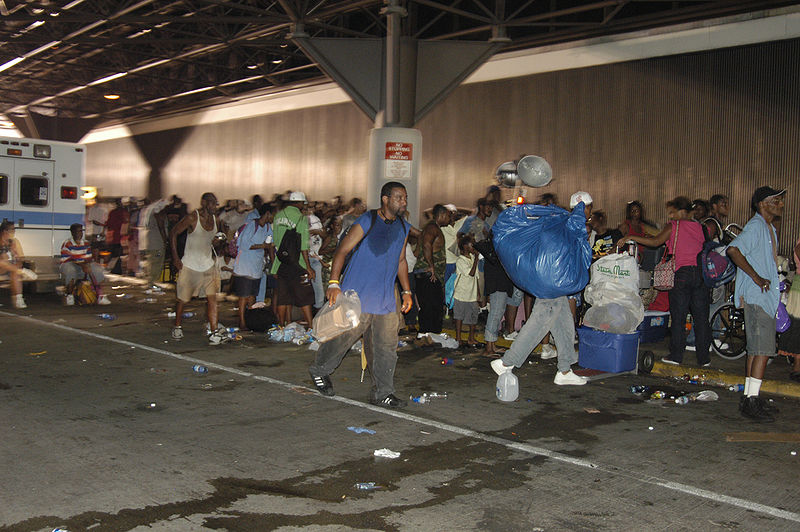
When disaster strikes, if you are in or near a safe place…stay there. Wait for official word to tell you what to do. If you are not in a safe place, seek out other local people to find out the best route to safety. If you’re in a wheelchair, keep in mind that many people will not be automatically thinking of the most accessible route…you may have to depend on the kindness of strangers to help you. Fortunately, in our experience, locals around the world tend to be kind to strangers in need.


This shouldn’t need to be said but always go away from danger, not toward it. Don’t go to the waterfront to see the tsunamis approaching, or outside to see the twister, and stay away from buildings after a big earthquake.
If you are injured, let someone know you need help.
In extreme cases, look for someone in authority or a relief provider and stick with them until you are safe.
INSURANCE…
What about travel insurance to help you in these situations? Be aware that insurance only helps afterward and does not prevent. Balance the cost of the insurance versus the benefit.
Our car and medical insurance is valid throughout the United States and we usually go without travel insurance when we’re in country. The hotel and airfare won’t cripple us if we need to forfeit it so the risk doesn’t balance out with the cost for us here.
When we’re traveling internationally, however, we always get insurance. A good policy will include emergency medical, auto accident, trip interruption and cancellation, medical evacuation, personal item coverage and more. We like the peace of mind and rarely have to use it but it’s nice to know we have it if we need it…it did help one time when we had a fender bender in France.
Always read the policy details very carefully before purchasing. Note that many policies won’t cover things like trip cancellation if it is because you just changed your mind or your office cancelled your vacation time.
Now that we’ve covered many bad things that can happen to you on vacation, know that it is an extremely rare occurrence. Yes, some of these things have happened to us over half a century of traveling but, usually, they just make for a good story when we get back. Don’t let the fear of the unknown keep you at home. Manage it and use these and other common sense tips to minimize the chance that anything bad will happen to you and enjoy the world.

-Darryl
Copyright 2012 – Darryl Musick
All Rights Reserved

Wednesday, April 26, 2017

TRAVEL TIPS: Finding Deals and Saving Money on Your Trip


Our last two Travel Tips talked about money…specifically managing your money while traveling and getting enough money to take a trip. This last part is about making the most of your money. Particularly, finding deals and taking advantage of them.

When looking for a good deal it pays to be flexible. If you can travel over a range of dates instead of particular days, you can find deals. If you can stay somewhere away from the heart of the action, you can find deals.


Start with airfare. Check the big sites like Expedia, Travelocity, and Orbitz to get a rough idea of what your airfare will be for your trip. Next, check the airline sites themselves as they often strive to have the lowest fares for those who use their sites. Now, unless you need to travel immediately, sit back and wait (you can also check Kayak, which has a fare predictor that can guide you to when the fares should be lowest to buy).

We find that the lowest fares are not usually offered until about 2 to 3 months before you want to go. If you are checking 6 months in advance (as you should to build your budget), the fares you’ll find are not going to be the lowest. Keep checking every couple of weeks to see it they change. The lowest fares usually need to be bought 21 days before travel, so you can keep doing this until 3 – 4 weeks before you need to go.

Also, many sites have calendars that show you how much the fare can change based on the day you travel. You might see that traveling on a Wednesday might be $250 but if you left on Monday, you could go for $99. There is usually a box asking if your dates are flexible that you can check to see this calendar.


Another way to find cheap fares is to plan your route around bargain airlines like Southwest, Virgin America, or Jet Blue.  You can generally find good fares for these airlines on their websites but you can also use them for leverage on other airlines. For instance, if Southwest is offering a 99 dollar fare from Los Angeles to Chicago, you will find other airlines like American or United matching that fare.

Hotels have myriad ways to save, let’s start with the obvious…call and ask. Call the hotel and ask for their rate. Then  just ask, “can you give me a lower rate?” You’d be surprised how often they do. Don’t feel bad, the people at the front desk are used to it and a lot of the time they quote you a high rack rate first and have a lower rate in reserve for those who ask for it.

Next, it pays to belong. Have a AAA card? That will get you a discount at most hotels. Work for the government? Most hotels have special rates for government workers and many do not care if you’re actually traveling for work or not. Costco card? American Express? Walmart customer? Not as prevalent, but still, some places will also give you a discount for that too.


How about joining a hotel’s reward program? While I don’t see them offering too many discounts just for belonging (or offering a minimal discount if they do), we do see perks just for being members. Marriott is good for getting a late checkout, upgraded rooms, and more. Best Western and Marriott let you earn free nights very fast. Hilton lets you get points not only at its hotels, but at restaurants all across the country as well.

Since it’s free to join, it certainly doesn’t hurt to sign up and you will get some good perks and freebies over time. Of course, the more you use, the more you get.

Think about a vacation rental. This works especially well if you have a large group. Check sites such as homeaway.com for rentals at your destination. Recently, we had a group of five of us and got a three bedroom, 2.5 bath flat with living room, kitchen, dining room, two terraces, satellite TV, a/c, free internet access, and two pools in Cannes for $1,000 for a week. Divide by 5 and you see that each of us only had to pay $200 for a week in luxury in the South of France.

Consider staying in a different neighborhood. In Los Angeles, for example, you can get rooms in some of the suburban areas such as Pasadena,  Arcadia, or even by the ocean in Long Beach - all perfectly nice areas - for as little as half as much as you'd pay for a premium location like Beverly Hills or Santa Monica.

For both air and hotel, sign up for websites that scour the net for deals. One of the best is Travelzoo.com. You can search the site for deals but the real sweet service is to sign up for their weekly e-mail of the Top 20 Deals. Another couple of sites we like to use for this is cheapoair.com and Airfare Watchdog.


Examples of deals we’ve seen…and been able to take advantage of…in the last year included a $99 mansion room with meals in the Silicon Valley, an $89 room at a resort in Napa Valley, $12 per night all-inclusive in the Dominican Republic, $5 baseball game tickets, and much more.

Other sites like Travelocity, Expedia, and Mobissimo also let you sign up to be notified of deals.  It also helps to have a relationship with a local travel agent that can let you know when they find unadvertised offers.

If you’re taking a road trip, the big expense is fuel. Log onto a gas price comparison site like gasbuddy.com to map out the cheapest gas stations on your route. Become a Costco member to be able to buy their cheap gas and use Costco.com to map out their locations on your route. Get their Citi Visa card to receive a 4% rebate on your gas purchases.


Make sure your car is in tune and running well to maximize your mileage. Plan a route that will allow for minimum stops and traffic.

Another way to save money is to get lodging that includes a kitchen. While we love to go out to eat at local restaurants when we travel…it’s one of the biggest highlights for us…we still like a kitchen where we’ll go to a local farmer’s market and cook some of the best and cheapest breakfasts you’ll find on the road.  We’ll save the money for a nice dinner later.


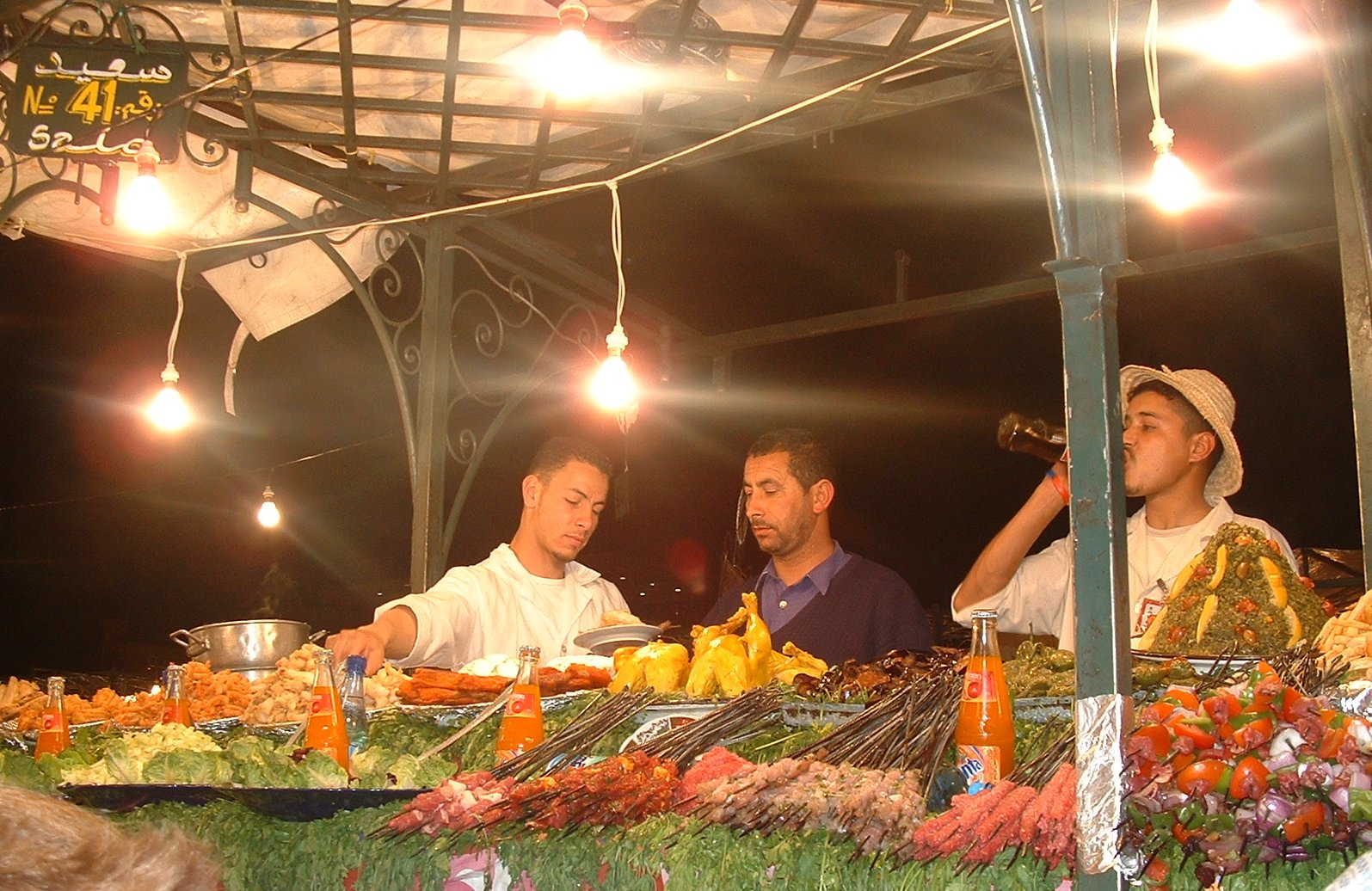
Speaking of eating, street food is enjoying a renaissance these days and you can get some fantastic food at rock bottom prices if you’re willing to give the street stands, food trucks, and hole-in-the-wall dives a chance. Check with the locals to find the best of the street.

If you have some other suggestions that we’ve missed, please feel free to post it in a comment below.

-Darryl
Copyright 2012 – Darryl Musick
All Rights Reserved

Wednesday, April 12, 2017

TRAVEL TIPS: Money Management While Away From Home

Money…it not only makes the world go around, it’s the power behind your vacation.  We’re going to do a couple of Travel Tips about it. First, how to manage it during your trip.


Most people by now, but by no means all, realize that you shouldn’t carry big wads of cash with you to pay for things on your trip.  There are several ways to accomplish this with minimal cash…
Credit cards are the most handy forms of payment for the traveler. No cash involved, quick transaction, and a list of your spending is provided to you on your next bill.
We like to use a card that is accepted widely and offers us a rebate for using it. Others like to get points, like frequent flyer miles, when using their cards.  I try to put all travel expenses on the same card so I can get a running total, check for errors, and pay one bill for the entire trip.
Beware that you still need to stick to your budget. You don’t get that list of expenses until well after you’re home so keep track of what you’re spending…it’s very easy to ignore when you’re using plastic.  Also be aware of how credit cards work in other countries. Restaurants in France, for example, don’t have the separate tip line that you see in the U.S. on the credit slip. You need to leave your gratuity in cash.


Other countries, in Europe in another example, use credit cards that have RFID chips in them and many places and ATMs won’t accept cards without them…at this time, most American credit cards do have them embedded. Look for the gold chip on the front of the card. Check with your card issuer before you go to see if you will have a problem.
Also check with your card issuer before you leave to let them know you’ll be traveling.  Many credit card companies will suspend a credit card that is used far from home automatically to prevent fraud. You can clear that up with a call but that call may be hard and expensive to make in a foreign country. Much easier and cheaper to do it before you leave...a toll-free number to call is usually listed on the back of the card.
If you don’t have a credit card or prefer a cash-like “pay as you go” system, use your bank’s ATM card with a Visa or MasterCard logo to make purchases on your trip. This works just like a credit card but you need to be aware that the money is instantly deducted from your account. Keep scrupulous track of debit card use to make sure you do not overdraw your account and incur a fee.
For both credit and debit cards, most come with extra foreign transaction fees on every purchase made outside of your home country. Again, check with your issuer before you go. There are some cards that come without these fees.  Here’s a list of some cards without them, http://www.cardhub.com/credit-cards/foreign-transaction-fee/ , and another one here: http://www.nerdwallet.com/blog/top-credit-cards/no-foreign-transaction-fee-credit-card/ .
One difference between credit cards and debit cards in general is that credit cards offer better protection against fraud and also come with perks like damage insurance for your rental car.


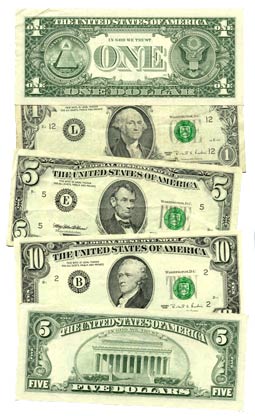
As much as we’d like to go cashless, it is not quite possible to do completely. You’re going to need some. Like we mentioned in our Travel Tip about tipping, we like to go to the bank first and get a hundred (or two) dollar’s worth of ones and fives for tips.
On vacation, travelers used to count on traveler’s checks. Don’t bother with these relics anymore…it is very hard to find merchants now who take them and you’re going to have to find a bank teller to cash them now.  In a pinch, you can also usually cash a check at your hotel’s front desk.


Instead, use your ATM card. You usually get the best exchange rates and can get your cash quickly and conveniently. Know that you’ll get dinged with fees so don’t use an ATM for a small sum. Get a hundred dollars or more to make it financially feasible.
Also, make sure you do it discreetly and safely.  Use a money belt and your hotel’s safe for large sums.
Finally, don’t go into hock for your vacation…only spend what you can afford. Also, only go where you can afford to go…don’t get to the point where you have to take out a loan to pay for it…and have fun!
-Darryl
Copyright 2012 – Darryl Musick
All Rights Reserved